Greater Fayetteville, North Carolina, is a community where history, heroism, and unexpected stories come together in memorable ways. From Revolutionary War beginnings to legendary sports moments, this community is full of surprises waiting for you to explore. Here are some can’t-miss facts that will make your next visit even more meaningful and maybe give you a leg up on trivia night.
1. Babe Ruth Hit His First Professional Home Run
In 1914, a young George Herman “Babe” Ruth stepped up to the plate in Fayetteville as a member of the minor-league Baltimore Orioles and smashed his very first home run as a professional baseball player. His nickname was born here too, after sportswriters dubbed him “Jack Dunn’s Baby,” which soon became “Babe.”
You can visit his historic marker during your trip.
2. Named for a Revolutionary War Hero
When the towns of Cross Creek and Campbellton merged in 1783, the name “Fayetteville” was chosen to honor the Revolutionary War hero Marquis de Lafayette. Fayetteville was the first city named for him and the only namesake city he chose to visit during his grand tour of the United States in 1825.
You can visit the Lafayette statue today in Cross Creek Park and learn more about the community’s ties to “America’s Favorite Fighting Frenchman” by following the Lafayette Trail.
3. An early Declaration of Independence was signed in Fayetteville
On June 20, 1775, 55 local patriots gathered and signed The Cumberland Association, commonly called the Liberty Point Resolves. In this document, the signers pledged their “lives and fortunes” to secure our country’s freedoms.
Today, a monument stands at Liberty Point documenting the signing of this historic document. Learn more about the region’s Revolutionary War history on the American Independence Trail.
4. NC Delegates ratified the U.S. Constitution at the State House in Fayetteville
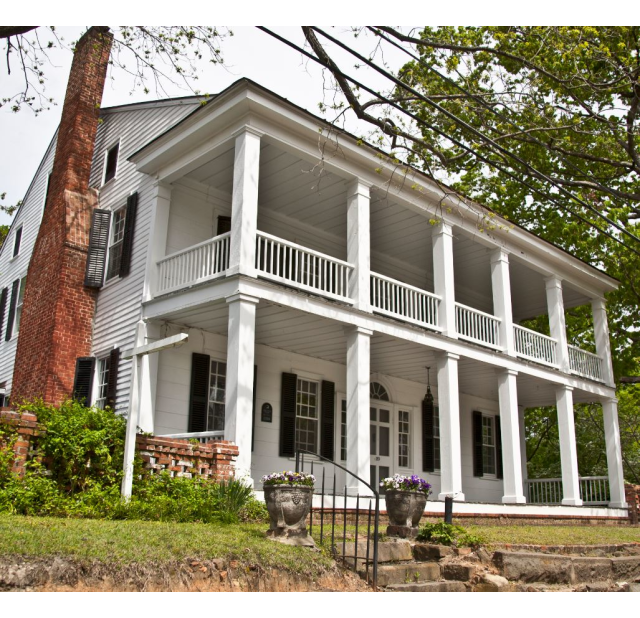
The Cool Spring Tavern, the oldest standing structure in Fayetteville (built in 1788), housed North Carolina delegates who were in town to ratify the U.S. Constitution in 1789. The ratification happened on November 21, 1789, at the U.S. State House, which stood on the site of today’s Market House.
The State House was destroyed during the Great Fire of 1831, which destroyed all buildings in town, except the Cool Spring Tavern.
During the same legislative session, delegates chartered the University of Chapel Hill and ceded lands to Tennessee.
Both sites are must-visit landmarks for history buffs. The community’s 49 Historical Markers are highlighted on the Historical Marker Trail.
5. Home to a Key Site during the Civil War
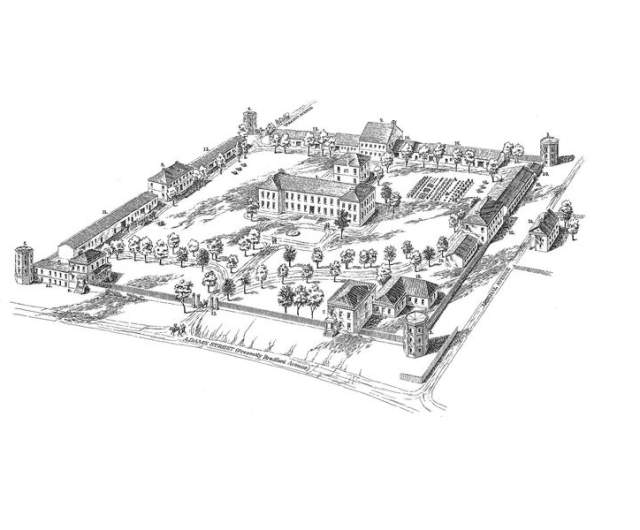
During Union General Sherman’s march through the Carolinas in 1865, Fayetteville, and the arsenal producing guns and ammunition for the Confederacy, was his first target in North Carolina.
Sherman and his troops entered Fayetteville on March 11, 1865 and took up quarters at the arsenal. Demolition of the arsenal began the next day. In addition to destroying the arsenal, Sherman destroyed other key structures, such as textile mills and the Fayetteville Observer. Once completed, Sherman and his troops marched on to Averasboro, where outnumbered and outgunned Confederates delayed Sherman’s advance to Goldsboro, allowing a Confederate consolidation at Bentonville for a major offensive against the Union Army.
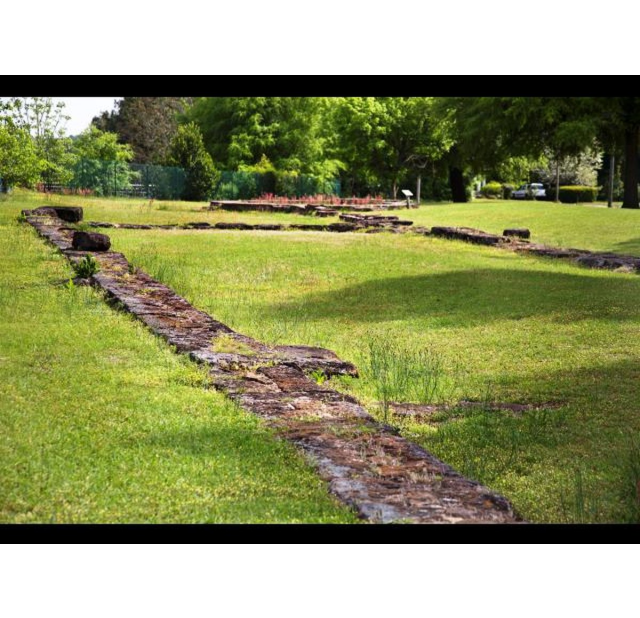
Today, runins of the arsenal can be viewed at Arsenal Park, which is one of three historic facilities at the Museum of the Cape Fear Historical Complex. Learn more about this history on the Civil War Heritage Trail
6. A Deep and Evolving Military Legacy
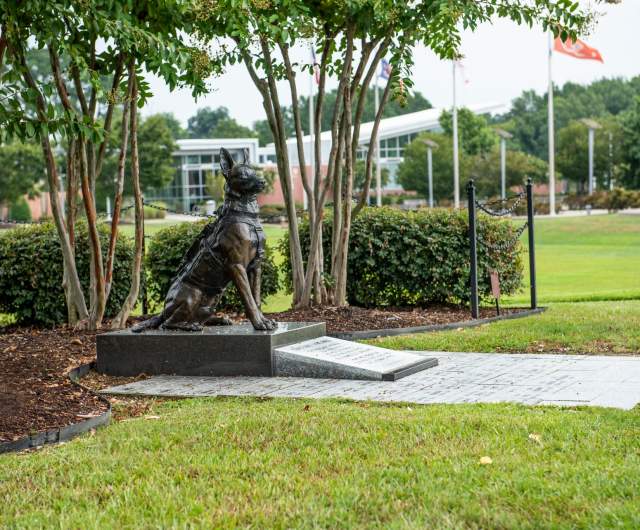
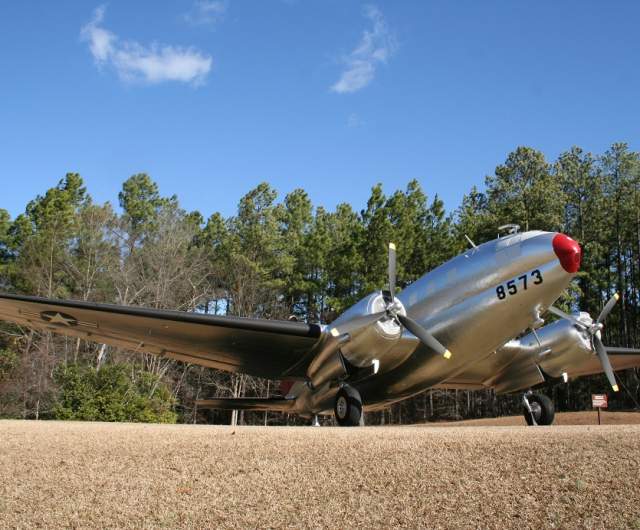
While Fayetteville’s military story spans centuries, modern military history began in 1918. This was when the U.S. Army established Camp Bragg, which expanded rapidly during World War II and earned a reputation as the Home of the Airborne. Today, Fort Bragg hosts more than 55,000 active-duty personnel, including the 82nd Airborne Division, the U.S. Army Special Forces, and the Golden Knights parachute team. Military heritage is deeply woven into the fabric of the region and proudly displayed throughout the city.
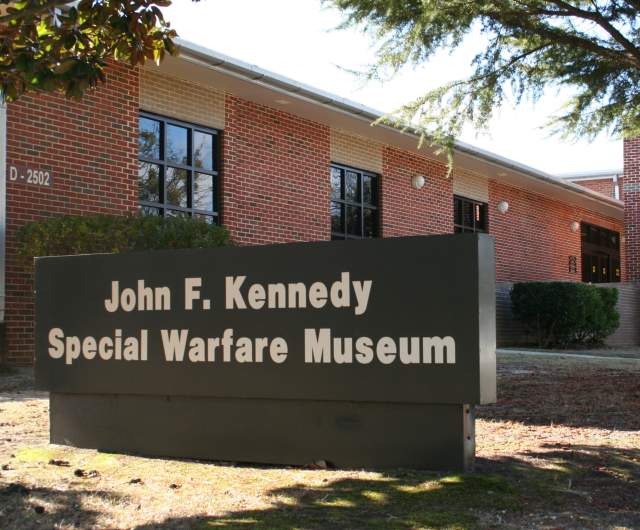
These museums tell our modern military history with interactive exhibits, equipment displays, and more.
- U.S. Army Airborne and Special Operations Museum
- 82nd Airborne Division War Memorial Museum
- John F. Kennedy Special Warfare Museum
Dive deeper into the area's military history along the Patriots, Past & Present Trail.
7. Saint Ann Catholic Church: A Trailblazing Institution
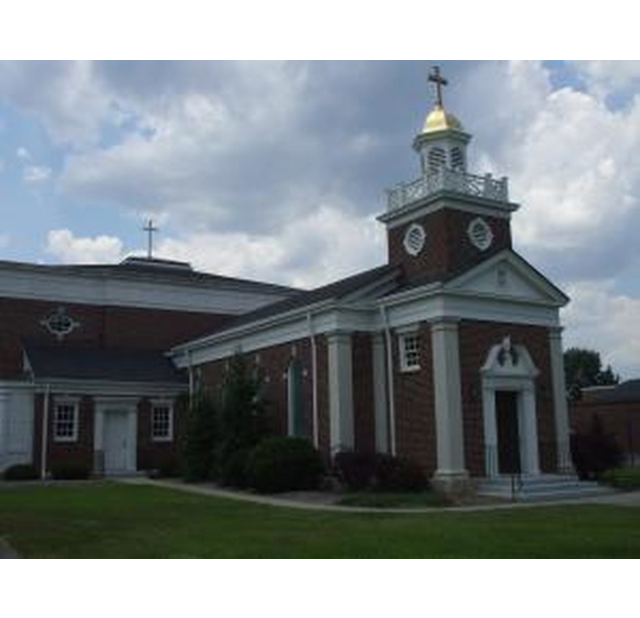
St. Ann Catholic Church was born out of the desire of a small group of African American Catholics in Fayetteville to practice their faith without the constraints of the social prejudices of their time. With special permission from the bishop, the first Mass of St. Ann was held on December 24, 1939 in Mack’s Barber Shop, owned by church member Mr. Frank McKay. The church, which was dedicated in December 1940, has a collection of stained glass windows that depict its history. One window features a barber pole, in tribute to where the first Mass was held.
St. Ann is also known for opening the first desegregated Catholic school in North Carolina in 1956, long before integration became required.
Learn more about Saint Ann Church and more Cumberland County African-American history in the region along the African American Heritage Trail
8. The Rockefellers Had a Home in Cumberland County
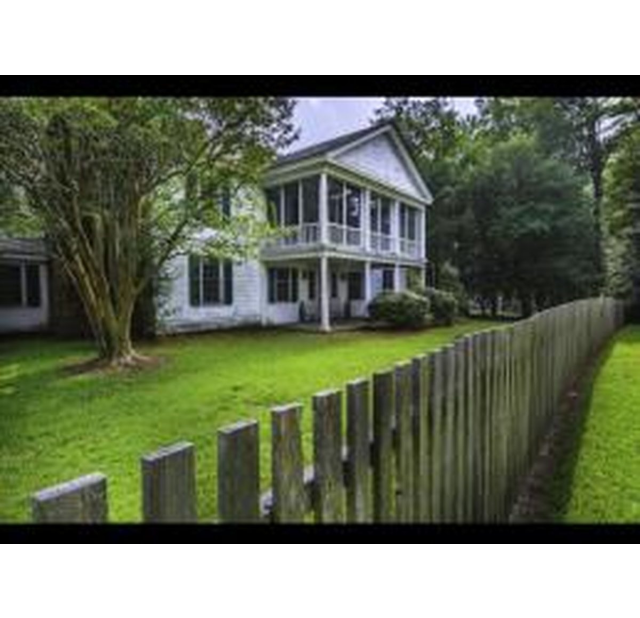
Long Valley Farm, the winter estate of James Stillman Rockefeller, is now part of Carvers Creek State Park. Presently, the outside of the home can be viewed on the estate. Long-term plans are to open the home as the park’s visitor center.
The Long Valley Farm entrance offers easy walking trails to the estate. More challenging hiking and biking trails that span miles are at the second entrance.
Cumberland County’s first and only state park is home to several endangered species, including the Red Cockaded Woodpecker.
9. Fayetteville Native Invented Putt-Putt
Putt-Putt golf was born in Fayetteville in 1954 when local insurance salesman, Don Clayton, was told to find a new career due to health issues. Soon after, founded the first course. Clayton was frustrated by the gimmicks often seen in miniature golf, such as windmills and waterfalls, and wanted a game focused purely on skill and precision. He designed standardized holes with smooth outdoor carpet and aluminum bumpers, creating a consistent, par-two challenge that rewarded practice and accuracy. The idea took off quickly, with early rounds costing just 25 cents, and eventually led to a national franchise
Although the original courses are gone, you can still enjoy a round at a Putt-Putt Fun Center franchise in Hope Mills today.
10. Exploring Fayetteville’s Historic Faith Sites
Cumberland County is home to a remarkable collection of historic churches that reflect the region’s deep religious heritage. The Old Bluff Presbyterian Church, founded in 1758 by Scottish Highlander settlers, is one of the oldest churches in the county. For nearly a century, services were conducted in Gaelic, and visitors can still see memorials and graves of the early congregation in the adjacent cemetery. Their 1853 Greek Revival sanctuary in what is now the Town of Godwin is listed on the National Register of Historic Places.
Equally historic is the Pentecostal Holiness Church, which traces its roots to the Octagon Tabernacle in the Town of Falcon. Constructed in 1898 with wood from tornado-uplifted trees, this unique octagonal building became the site where two denominations merged in 1911 to form the International Pentecostal Holiness Church. The tabernacle still stands today, and is listed on the National Register of Historic Places.
Learn more about Cumberland County’s historic churches on the Religious Freedom Trail.
A Community Full of Stories Waiting for You
From Babe Ruth to Lafayette to America’s modern airborne forces, Fayetteville and Cumberland County offer layers of history, culture, food, and fun. Whether you are planning a weekend getaway or a deeper dive into America’s past, you will find countless reasons to explore, learn, and be inspired.
Ready to discover the Fayetteville region for yourself? Start planning your visit today.
Helpful Resources:
|
|
|
If your question was not answered here, please call us at (910) 483-5311 or email us at info@distinctlyfayettevillenc.com.
Follow us on
trip ideas & Greater Fayetteville inspiration
|
FAQ'S
1. What are some must-see historical sites in the Fayetteville region?
Fayetteville and Cumberland County offer many notable historic landmarks, including the Liberty Point monument, the Cool Spring Tavern, the U.S. Army Airborne & Special Operations Museum, Arsenal Park, and the Lafayette statue in Cross Creek Park. Visitors can follow themed heritage trails to explore many of these sites in depth.
2. Where can I learn more about Fayetteville's modern military history?
You can experience modern military history at museums such as the U.S. Army Airborne & Special Operations Museum, the 82nd Airborne Division War Memorial Museum, and the John F. Kennedy Special Warfare Museum. Many key locations are also highlighted along the Patriots, Past & Present Trail.

3. Are there tours or trails that help visitors explore the area’s history?
Yes. Fayetteville and Cumberland County offer multiple self-guided heritage trails, including the Lafayette Trail, Civil War Heritage Trail, American Independence Trail, African American Heritage Trail, and the Religious Freedom Trail. These trails make it easy for visitors to explore local history at their own pace.