Greater Fayetteville has a history that spans more than 200 years, with connections to the American Revolution, the development of southeastern North Carolina, and the history of the U.S. military.
Today, visitors can explore that history through museums, historic buildings, memorials and historic sites throughout the Fayetteville area.
Explore Downtown Fayetteville
Fayetteville was established in 1783 when two towns, Campbellton and Cross Creek, merged to form Fayetteville. The city's location along the Cape Fear River contributed to its development as a center of commerce and transportation.
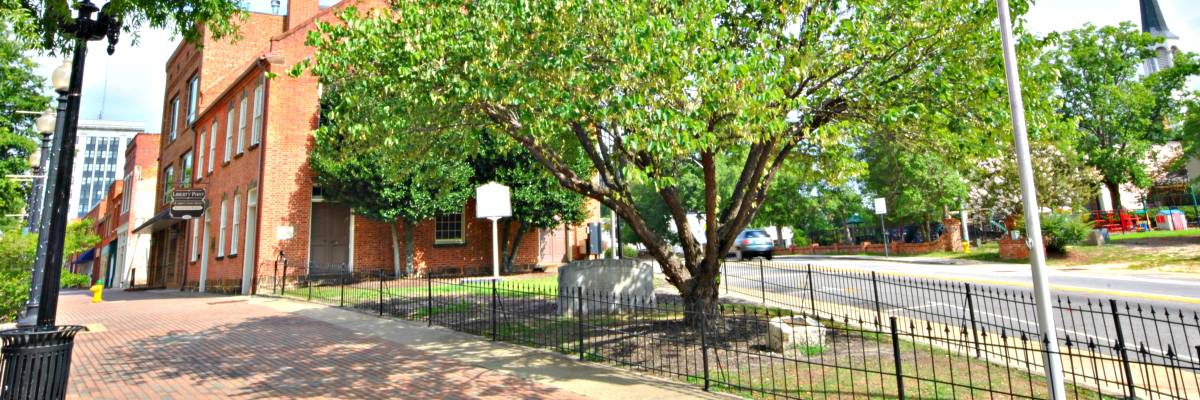
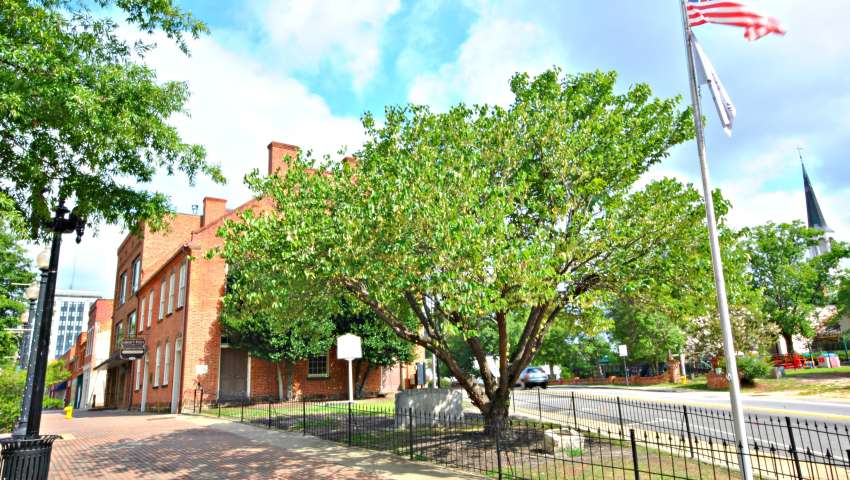
Downtown Fayetteville includes several sites connected to the city's history, including Liberty Point. In June of 1775, before the signing of the Declaration of Independence, 55 locals pledged their lives and fortunes to gaining independence from Great Britain. This historic document, the Liberty Point Resolves, was signed at or near Liberty Point. Today, a marker at Liberty Point commemorates the site and its connection to Fayetteville's Revolutionary-era history.
The surrounding downtown area also includes historic buildings, churches, and other sites associated with the city's development.
Learn Local History
The Fayetteville History Museum is located in a restored 1890 Cape Fear and Yadkin Valley Railroad Depot in downtown Fayetteville. The museum's two floors of exhibits cover the area's history from prehistory through the early 20th century, with artifacts and exhibits focused on the people, places and events that shaped Fayetteville and Cumberland County.

Exhibits explore topics including the history of the Cape Fear River, African American history in Fayetteville, baseball, naval stores, the Fayetteville Observer and life in the region before European settlement. Exhibits are frequently rotated, giving visitors opportunities to see different aspects of local history.
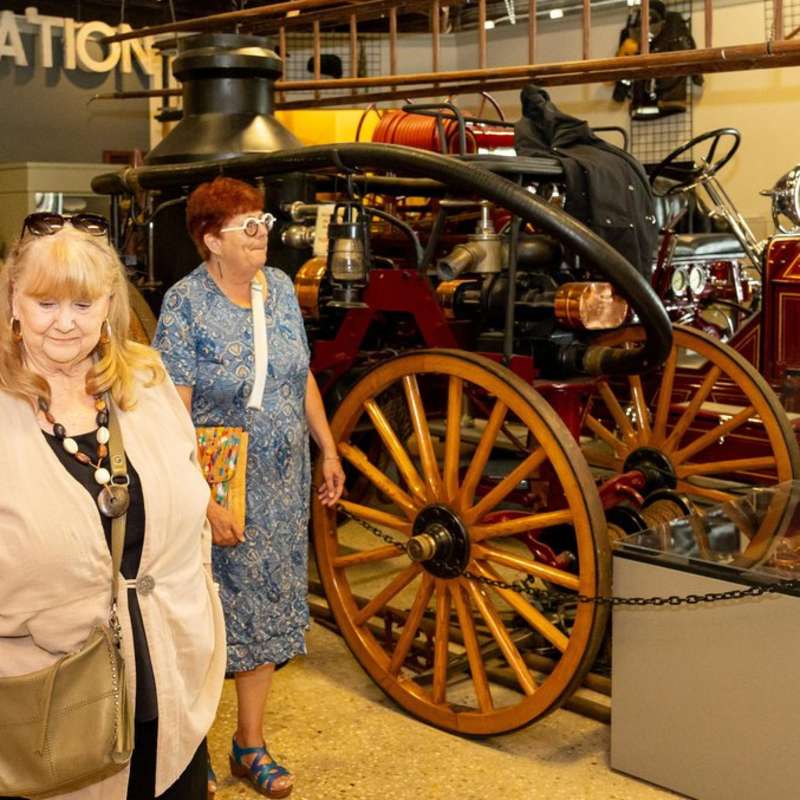
Next door, the museum's annex continues the story with exhibits focused on transportation and local industry. Visitors can see vintage automobiles, a recreated 1920s gas station and an 1880s Silsby Steam Pump Engine, along with exhibits about plank roads, the fire department and farm life.
Life at the Turn of the 20th Century
The 1897 Poe House was the home of E.A. Poe, a local businessman and owner of the Poe Brick Company, and his family. The house provides a look at life in Fayetteville during the first decades of the 20th century and the changes taking place in southern North Carolina and across the country during the period.
Guided tours examine a range of topics, including women's roles, African American history, children's roles, and the technological, economic and social changes of the era. The house also provides historical context for Fayetteville during a period of significant change in the community and beyond.
The Poe House is part of the Museum of the Cape Fear Historical Complex, which also includes the Museum of the Cape Fear and the Fayetteville Arsenal site. The Museum of the Cape Fear focuses on the history of southeastern North Carolina, while the Fayetteville Arsenal site preserves the location of the federal arsenal that operated in Fayetteville from 1838 until its destruction during the Civil War.

Explore Fayetteville's Military History
Fayetteville's connection to the U.S. military is reflected in museums, memorials, and public spaces throughout the city.
In downtown Fayetteville, the Airborne & Special Operations Museum traces the history of U.S. Army airborne and special operations forces from 1940 to the present. Exhibits include military artifacts, equipment, photographs, life-size displays, and other materials that document the history of these units.
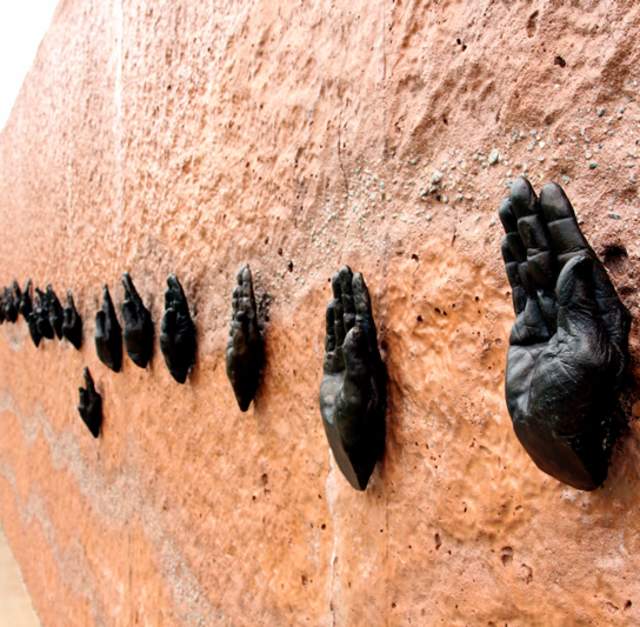
Across the parking lot,, North Carolina Veterans Park honors veterans of all branches of the U.S. Armed Forces. The park includes the Oath Wall, which features the hand carvings of veterans from each of North Carolina's 100 counties. The park has water elements, sculptures made from recycled military vehicles, and other features.
For visitors interested in military history beyond downtown, two museums are located on Fort Bragg. The 82nd Airborne Division War Memorial Museum documents the history of the 82nd Airborne Division, while the John F. Kennedy Special Warfare Museum focuses on the history of the Army's Special Forces, Civil Affairs, and Psychological Operations branches.
Because these museums are located on Fort Bragg, U.S. citizens who do not have a qualifying Department of Defense ID must obtain a Fort Bragg visitor pass before entering the installation. Visitors can apply for a pass online through the Fort Bragg Online Visitor Pass system. The installation recommends submitting an application at least 24 hours before a planned visit.
U.S. Army Airborne & Special Operations Museum
Established in August 2000, the U.S. Army Airborne and Special Operations Museum (ASOM) is a…
North Carolina Veterans Park
Honor the contributions of North Carolina Veterans from all branches of service at North Carolina…
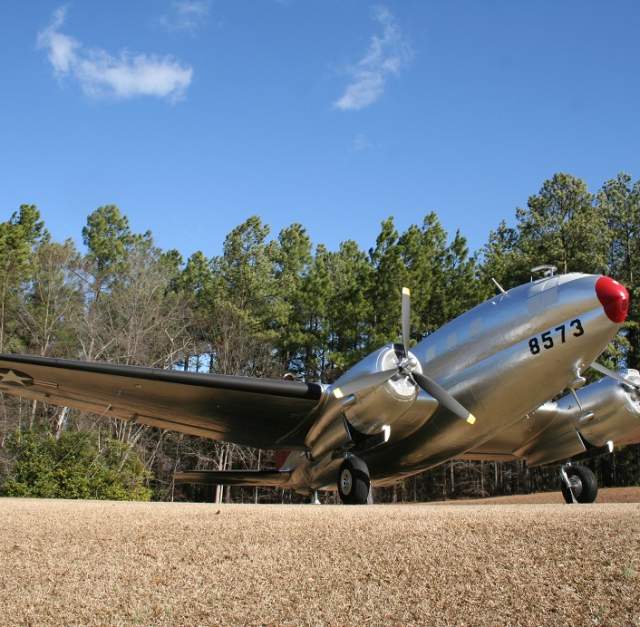
82nd Airborne Division War Memorial Museum
10/1/25 The Airborne Division War Memorial Museum is closed due to the government shutdown. Please…
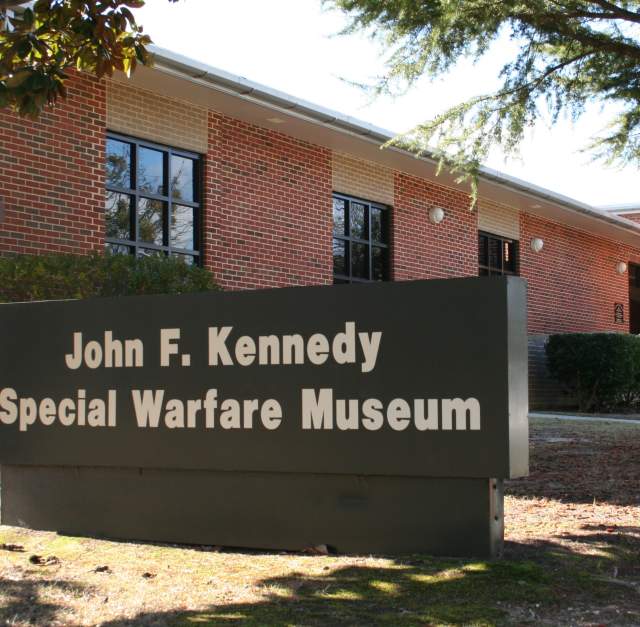
John F. Kennedy Special Warfare Museum
The JFK Special Warfare Museum, established in 1963, spotlights the proud history of the US Army…
Explore More
Greater Fayetteville's history covers a lot of ground. Revolutionary history, military history, African American heritage, religious history, architecture, transportation, industry and the stories of the communities that developed across the region are all part of the area's past.
Our Cultural Heritage Trails bring many of those stories together into convenient, themed trails. Each trail focuses on a different aspect of the region's heritage, making it easier to explore related historic sites and learn more about the people, places and events behind them.
Whether you want to follow the story of American independence, learn more about Fayetteville's African American heritage or explore the area's military and architectural history, the trails provide another way to discover the region.
Touring Cumberland County has never been easier with over 750 miles of themed driving trails.
Read MoreFAQ
What historical sites can you visit in Fayetteville, NC??
Fayetteville has a variety of historic sites and museums, including the Airborne & Special Operations Museum, Fayetteville History Museum, 1897 Poe House, Museum of the Cape Fear Historical Complex, Fayetteville Arsenal site, and North Carolina Veterans Park. Additional museums are located on Fort Bragg.
What are the Cultural Heritage Trails in Fayetteville??
Greater Fayetteville's Cultural Heritage Trails are themed routes that bring together historic sites throughout the region. Trails focus on different aspects of the area's history and heritage, including African American history, military history, architecture, religious freedom, the Civil War, and American independence.