
The Sandhills of North Carolina – Pinehurst Resort with its nine pristine golf courses, to be specific – is the unquestionable epicenter of the game in the state, in the Eastern United States, in the entire nation for that matter. Hence, the destination has become known as the “Home of American Golf.”

The roads leading away from the famed resort seem reluctant to give up on golf as well. Many layouts ranging from centerpiece courses in upscale golf communities to local municipal, scatter out in all directions. Each one promises bonus play for those seeking even more salve to soothe their golf itch while swinging their way through the Tar Heel State. This is particularly true for travelers driving east from their destination. Luring players in the direction of the rising sun is the city of Fayetteville and Cumberland County, where the most honorable definition of “military golf” abounds.


Golfer swinging a club on a grassy fairway surrounded by trees under an open sky

With its location right off Interstate 95 (as it slices through North Carolina from north to south), Fayetteville has golf courses that are actually easier to access from the big cities along the East Coast than its isolated neighbor situated an hour or so deeper inland. As the precise midway point for interstate travel between New York and Florida, Fayetteville also accommodates golfers with thousands of hotel rooms and hundreds of dining options.

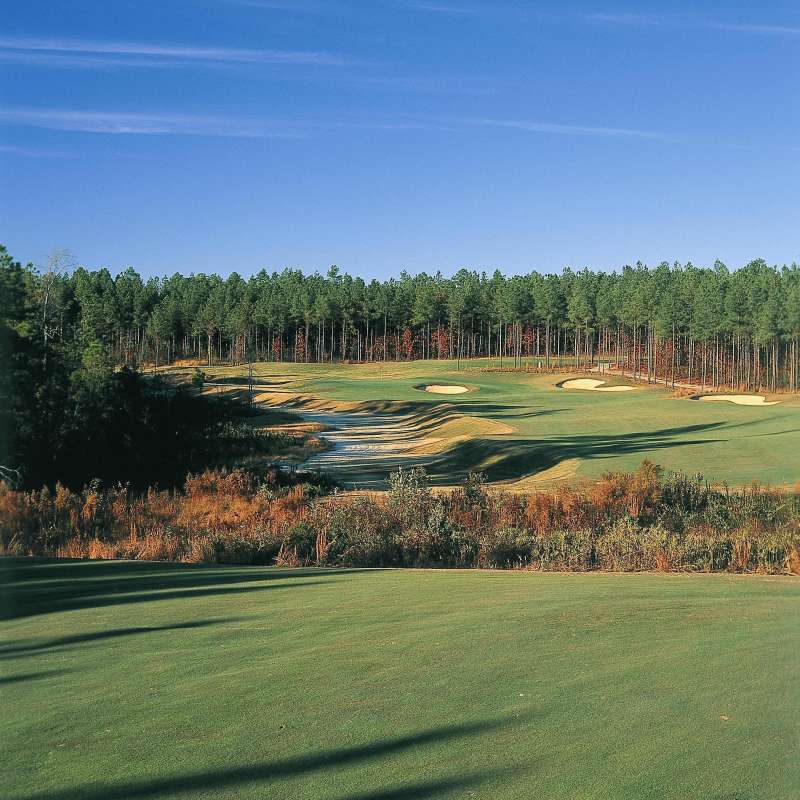
In terms of variety, Fayetteville’s golf arsenal also has an advantage. Though the majority of its golf landscapes share many of the characteristics Pinehurst has been blessed with, a few possess a style distinctly their own. That’s because the city sprawls out across North Carolina’s transition zone from the coastal plain into the soft, rolling crests of the Sandhills. This changing topography afforded world-class architects tremendous backdrops upon which to sculpt their works. So with more than a half dozen outstanding golf layouts to add to the already potent Pinehurst-area lineup, the game is well represented across the state’s most sterile of habitats (with Fayetteville bolstering its eastern flank). The unique Sandhills microclimate keeps things a little cooler and less humid than most other regions, making it a great getaway at any time of the year.

Despite its proximity and its similar landscape qualities to the Home of American Golf, Fayetteville’s golf presentation feels distinctly different. It is more influenced by a bigger commitment in town, that of national security. The city, in fact, is home to Fort Bragg, a major U.S. Army installation and the nation’s largest military base by population. In the more than 100 years since the fort was established, “Fayetteville and the U.S. military have been inextricably linked,” as written in the Fayetteville Observer, the city’s newspaper. And the spillover has even flowed into the golf courses around town.

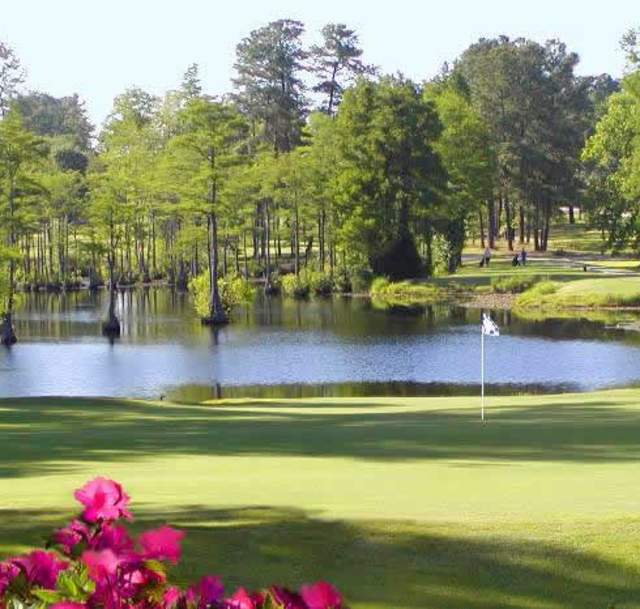
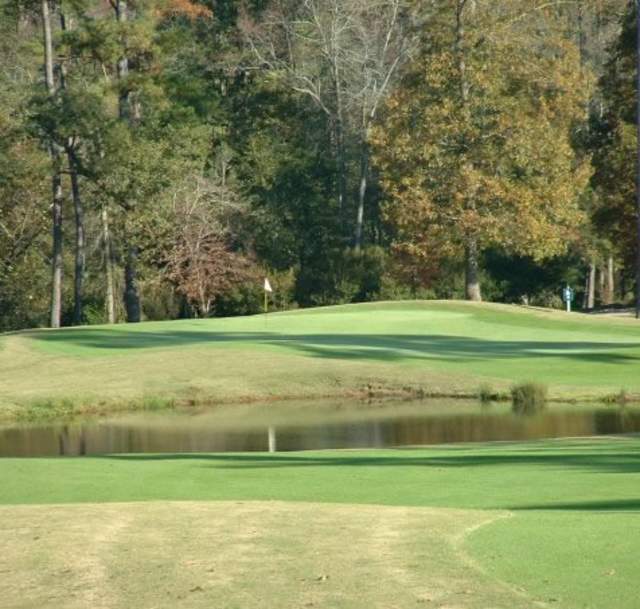
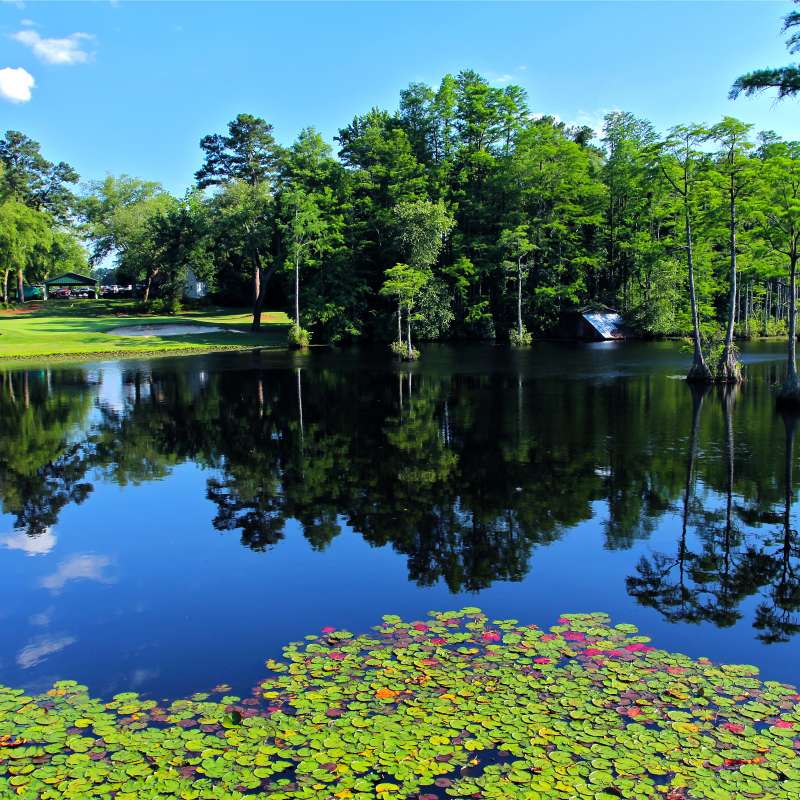
In terms of prestige, the layout that likely solidified Fayetteville as a golf destination all it's own is Anderson Creek. Since so much hype in recent decades has been about upscale designs with big-name architects, the combination of 1997 PGA Championship winner and North Carolina product Davis Love III along with an outstanding community course, makes this reasoning hard to deny. But it takes a strong foundation to build a solid structure, and that’s where classic designs such as Cypress LakesGates FourBayonet at Puppy CreekKeith Hills, and a pair of courses on base at Fort Bragg (Stryker and Ryder) validate Fayetteville’s entry into the golf travel market.

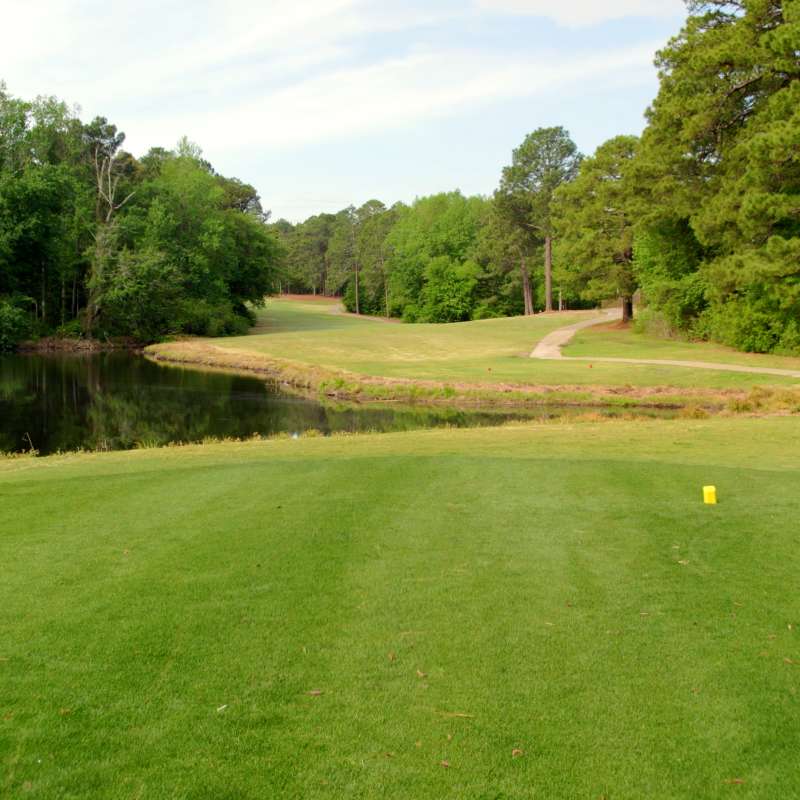
Fort Bragg itself – in the center of it all – has a pair of its own designs to “brag” about. The Ryder Golf Course is named for Brigadier General William T. Ryder, the Army’s first paratrooper. It opened in 1930 as the Officers Golf Course of the Fort Bragg Officer’s Club. Originally 27 holes, it was reduced to 18 holes in the early 1960s to make way for military housing and was renamed Ryder Golf Course in the early 1990s. In 2005 it became the first U.S. Army course to be recognized as a Certified Audubon Cooperative Sanctuary. It is set among tall Carolina pines and plays across the water and rolling hills. The fairways are tree-lined, and the green complexes are small and undulating. Bunkers are well-positioned throughout the course, and some can be quite deep. The Stryker Golf Course, meanwhile, was designed by famed architect Donald Ross and that alone is worth the visit. For those looking for a rather forgiving game with wide fairways and smallish greens in the classic tradition of Ross, this course is for you. 

Hidden Gem

In all, Fayetteville golf is a hidden gem. Many travelers looking to play the game in the famed Sandhills of North Carolina may not realize the quality of the golf courses that the city showcases or the value they provide. The destination’s courses remain quite affordable as compared with other higher-end golf regions and are worth the drive whether you are sliding over on quaint country roads from Pinehurst or heading their way directly via the I-95 superhighway.

 
Click Here to See All Golf Courses.

Helpful Resources:

Bed icon—Find a Place to Stay Destination Guide icon—Download the Digital Destination Guide
Follow us on
Facebook Instagram YouTube Pinterest Icon_black
for more travel inspiration